
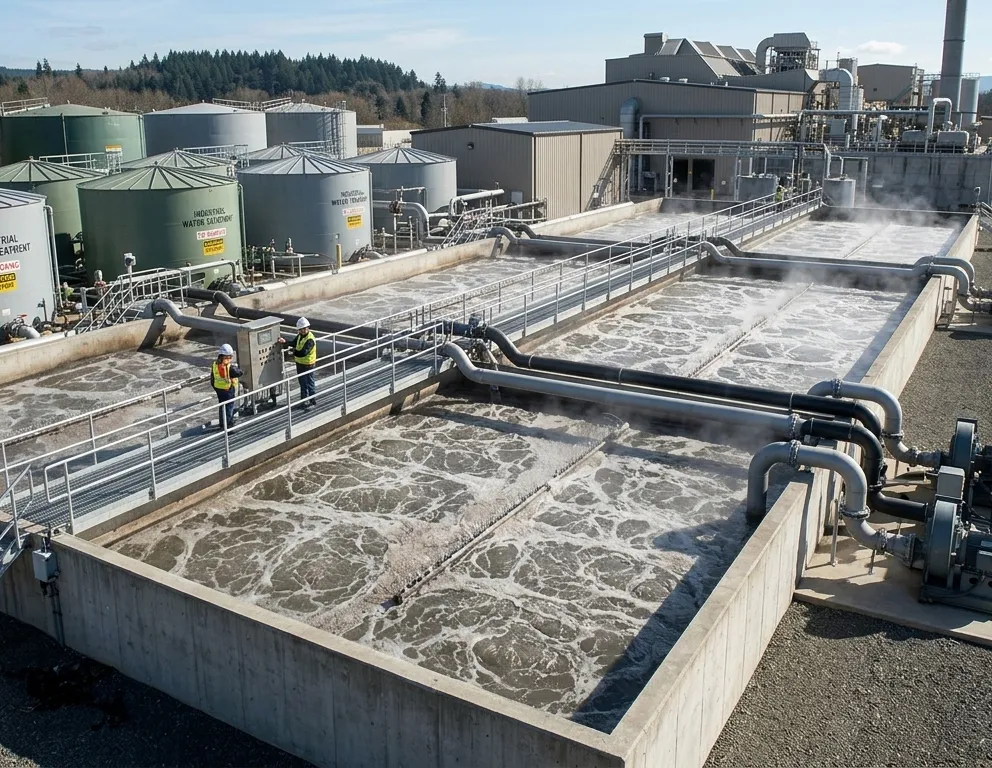
Industrial operators across Australia are under mounting pressure to reduce their water footprint. Rising utility costs, tighter discharge regulations and growing scrutiny from investors and communities have pushed water management from a back-office concern to a board-level priority. Closed-loop water systems have emerged as one of the most effective responses to this shift, offering a way to cut consumption, reduce waste and build long-term operational resilience.
This article looks at what closed-loop water systems are, why they matter for industrial sustainability, where they are being applied and what to consider when designing one. It also covers why ABCO Water is a trusted partner for closed-loop and recycling system design, particularly for operations in remote and arid environments.
What Are Closed-Loop Water Systems
A closed-loop water system captures water used in an industrial process, treats it on site and returns it for reuse rather than discharging it to the environment or a municipal system. Water moves through a continuous cycle of use, treatment and reuse, with only minimal top-up required to replace losses from evaporation or process consumption.
This sets closed-loop systems apart from open-loop or single-pass designs, where water is drawn from a source, used once and then discharged. Open-loop systems tend to be simpler to install but carry ongoing costs in the form of intake fees, discharge fees and exposure to regulatory risk.
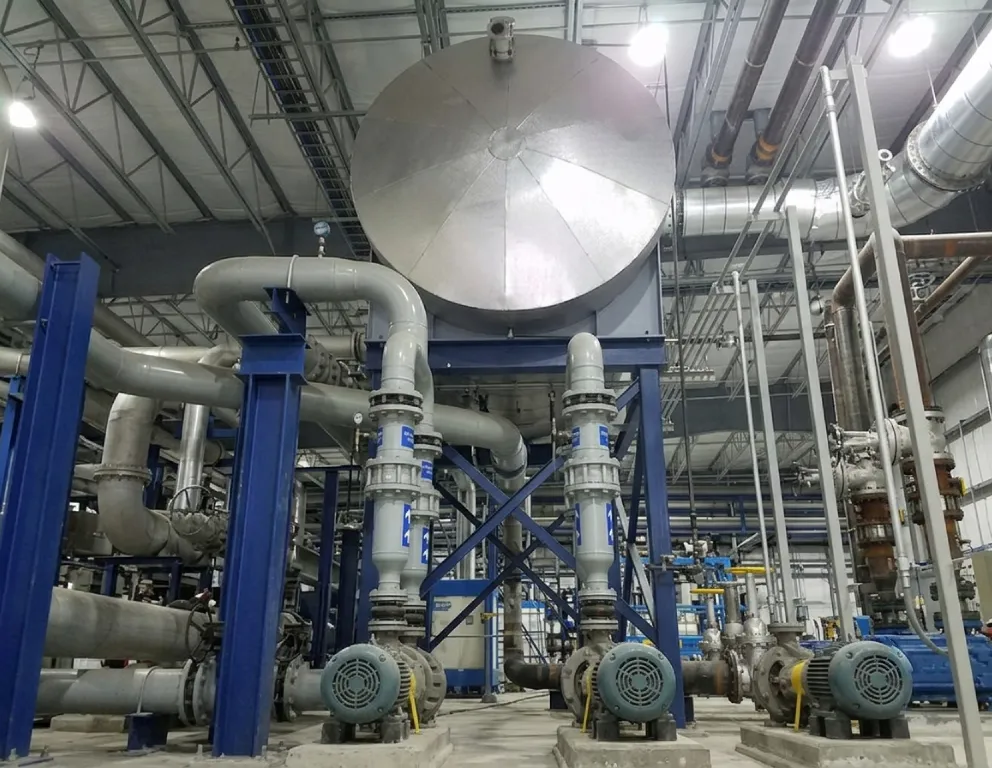
A typical closed-loop system includes several core components. Filtration removes suspended solids and contaminants from used water. A treatment train, which may involve chemical dosing, biological treatment or membrane filtration depending on the process, brings water quality back to the required standard. Storage buffers supply and demand across the operation. Monitoring systems track water quality and flow in real time, flagging issues before they affect production.
Why Industrial Sustainability Depends on Closed-Loop Design
Several forces are converging to make closed-loop water systems a core part of industrial sustainability strategy rather than an optional upgrade.
Discharge standards continue to tighten across most Australian jurisdictions, with regulators paying closer attention to the volume and composition of industrial wastewater. Operations that fail to keep pace face compliance costs, delays and reputational damage.
Water scarcity is an immediate operational risk for many industrial sites, particularly those in remote or arid regions where supply is limited and expensive to secure. A closed-loop system reduces dependence on external water sources, giving operators greater control over one of their most critical inputs.
The financial case is also straightforward. Reduced water intake and discharge volumes translate directly into lower utility bills and lower regulatory compliance costs. For water-intensive operations, this can represent a significant portion of total operating expenditure.
Finally, closed-loop systems support ESG reporting and broader sustainability commitments. As stakeholders increasingly expect measurable environmental performance, a well-documented closed-loop system gives operators concrete data to report against.
Key Applications Across Industries
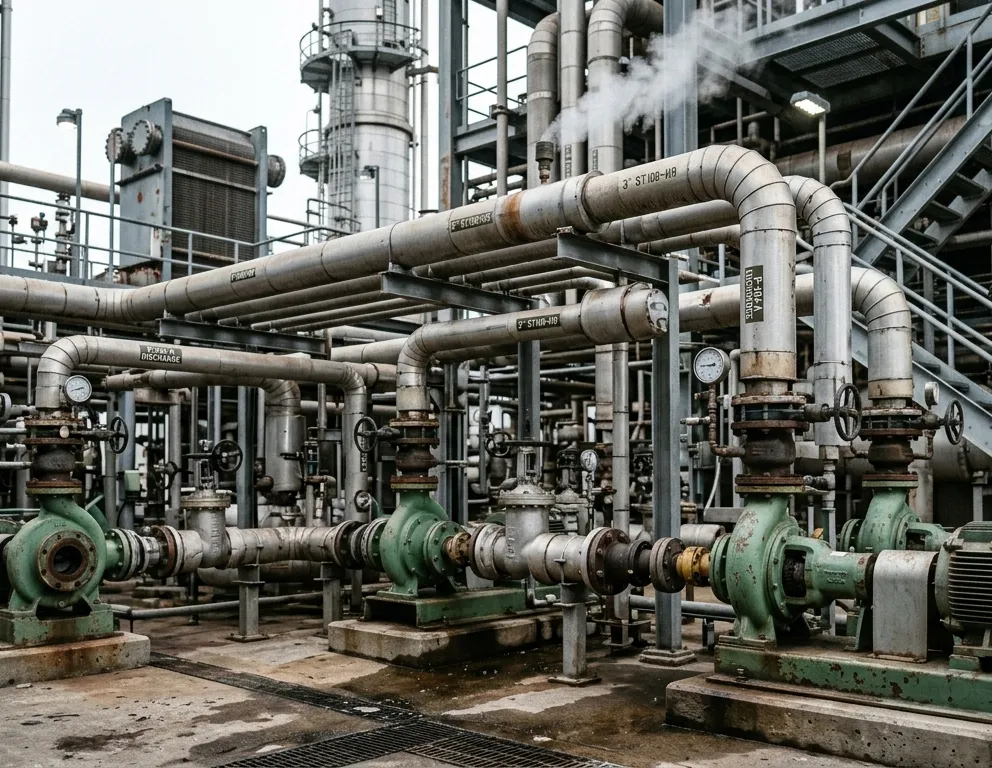
Closed-loop water systems are used across a wide range of industrial sectors, each with different drivers and design requirements.
| Industry | Primary water use | How closed-loop systems help |
|---|---|---|
| Mining and remote-site operations | Site processing, dust suppression, general operations in locations with little or no reliable water infrastructure | Minimises reliance on trucked-in water and reduces the environmental impact of remote operations |
| Manufacturing and processing plants | Cooling water, wash-down water, process water | Cuts both consumption and wastewater treatment costs |
| Food and beverage production | Large-volume cleaning and processing water | Maintains strict hygiene standards while significantly reducing overall water use |
Designing a Closed-Loop System: What to Consider
Effective closed-loop system design starts with a clear understanding of water quality targets. Different processes require different levels of treatment, and the system needs to be built around the specific standard the operation requires, not a generic benchmark.
Site conditions play a major role in shaping the design. Operations in remote or arid environments face additional constraints around power supply, access for maintenance and the availability of spare parts, all of which need to be factored in from the outset.
Scalability matters for operations that expect to grow or change over time. A system designed with future capacity in mind avoids costly retrofits down the line, while integration with existing infrastructure reduces disruption during installation.
Ongoing monitoring and maintenance requirements should be built into the design rather than treated as an afterthought. A system that is difficult to monitor or maintain will struggle to deliver consistent performance over its operating life.
Why ABCO Is the Right Partner for Closed-Loop Water Systems and Water Recycling System Design
ABCO Water designs closed-loop systems for industrial operators seeking to reduce water consumption while maintaining reliable, compliant operations.
ABCO’s experience spans a broad range of industrial water reuse projects, giving the team a practical understanding of how closed-loop systems perform across different processes and site conditions. This experience is particularly valuable for operations in remote and arid environments, where standard designs often fall short. ABCO has a track record of engineering systems that account for limited water availability, challenging logistics and the operational realities of working outside major metropolitan areas.
Rather than applying an off-the-shelf template, ABCO builds each system around the specific requirements of the site and the process it serves. This tailored approach helps operators avoid the common pitfalls of over-engineered or under-specified systems, both of which can add unnecessary cost or leave operations exposed to compliance risk.
Operators considering a closed-loop water system can review ABCO’s design and recycling services to understand how a tailored solution might apply to their site.
Closed-loop water systems are set to become standard practice across water-intensive industries as regulatory pressure, cost considerations and sustainability expectations continue to align. Operators who invest in well-designed systems now will be better positioned to manage water risk and operating costs over the long term. Working with an experienced partner such as ABCO Water helps ensure the system is built to last and fit for the site it serves.

Dominic Yang is a writer for The Burn, where she contributes insightful commentary on contemporary culture and digital media. She holds a BA (Hons) in English Literature from the University of Edinburgh and an MA in Journalism from City, University of London.
With over five years of experience in digital publishing, Dominic specialises in investigative features and cultural criticism. Her work examines the intersection of technology, society, and creative expression, drawing on extensive research and on-the-ground reporting.
Before joining The Burn, she worked as a features editor at several independent publications, developing a reputation for rigorous analysis and compelling storytelling. Her expertise spans media ethics, online communities, and the evolving landscape of digital journalism.
Outside her professional work, Dominic is an avid photographer and maintains a keen interest in contemporary art. She regularly attends gallery exhibitions across London and enjoys long-distance cycling in the British countryside.