
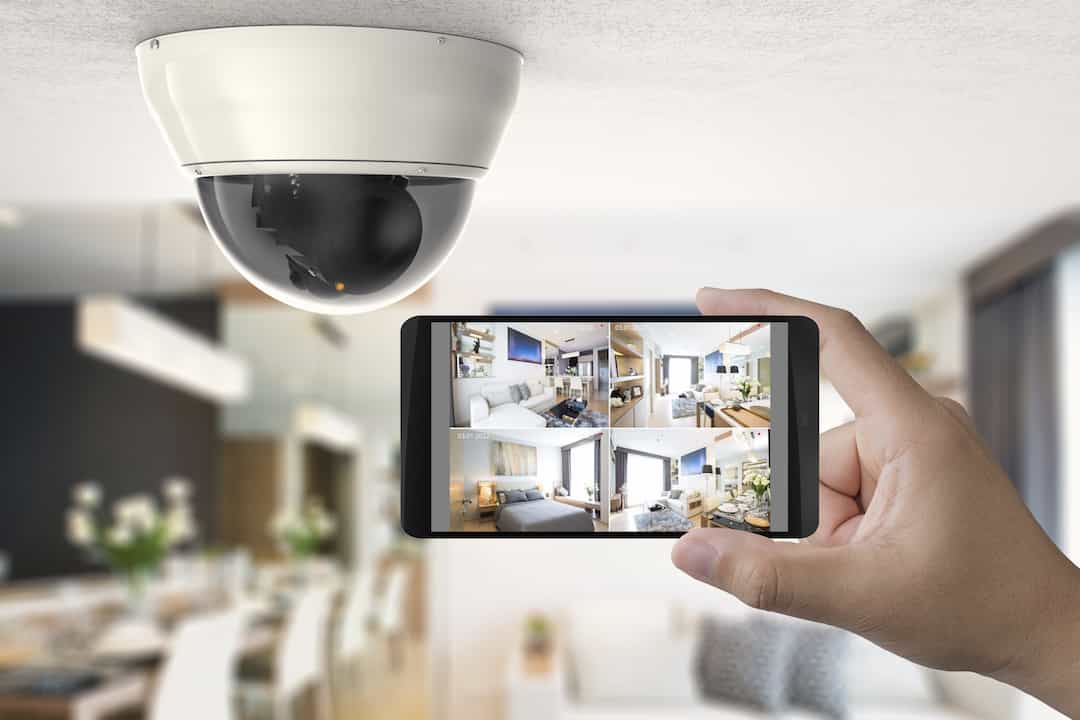
Choosing between a secure home and a private life has felt like a losing game for a long time. We have all seen the headlines about tech employees watching private footage or hackers gaining access to cloud-based baby monitors. It is a massive trade-off. You want to know if someone is prowling around your garden at three in the morning, but you do not necessarily want that footage sitting on a server in another country where you have zero control over it. This tension has created a real appetite for a different way of doing things.
The solution is finally maturing in the form of local AI boxes, often referred to as Edge Computing. These devices act as a digital brain that lives right inside your house. Instead of your cameras acting as mere “eyes” that stream everything to the internet, they now work with a local processor that understands what it sees on the spot. This shift means your data stays within your four walls. You get the high-tech protection of a professional security firm without the creepy side effects of constant cloud surveillance. It is about taking back ownership of your personal space while still using the best tools available to protect it.
How It Works: The “Brain” at the Edge
On-Device Inference
The magic happens through something called on-device inference. In plain English, this means the computer chip inside your home is smart enough to make decisions without asking a bigger computer for help. These chips are often called Neural Processing Units or NPUs. They are specifically designed to handle the heavy lifting of visual recognition. When a camera captures movement, the NPU looks at the pixels and identifies patterns instantly. It is a massive leap forward from the old days when a camera would ping your phone every time a shadow moved or a moth flew past the lens.
Data Minimisation
Data minimisation is a fancy way of saying we should only keep what is absolutely necessary. Traditional smart cameras are data hogs. They stream constant video to the cloud, which uses a lot of bandwidth and creates a permanent record of your daily habits. Local AI systems do the opposite. They monitor the feed but do not send the raw video anywhere. Instead, they only generate metadata. This might be a tiny snippet of text that says “Person detected at 3:02 PM.” This approach keeps your internet connection fast and your private moments off the web.
Hardware Evolution
The physical kit has changed quite a bit too. You might have a dedicated AI hub that sits next to your router or a small sync module tucked away in a cupboard. These hubs act as a central command centre for all your cameras. They do the heavy thinking so your individual cameras do not have to be huge or expensive. Some of these boxes are surprisingly small, but they pack enough punch to monitor eight or ten different video feeds simultaneously. It is a bit like having a silent, invisible guard sitting in your utility room, constantly watching the perimeters without ever getting tired.
Key Features of Local AI “Guards”
Advanced Object Classification
One of the biggest frustrations with older security systems was the constant stream of false alarms. Nothing ruins a dinner party like your phone buzzing because a squirrel ran across the fence. Local AI has mostly solved this through better object classification. The system can tell the difference between a delivery driver, a stray cat, and a swaying tree branch. It understands the physical properties of a human versus a vehicle. This means when your phone actually does make a noise, you know it is something that requires your attention. It creates a much calmer experience for the homeowner.
Facial and Gait Recognition
Things get even more impressive when you look at facial and gait recognition. Modern local systems can be trained to recognise your family members and regular visitors. You can tag your spouse, your kids, or the dog walker. If the system sees a familiar face, it stays silent. However, if it spots an unknown individual or someone whose walking style does not match a known person, it can flag that as a specific event. This is all done locally, so you are not uploading your family’s biometric data to a massive corporate database. It is a very clever way to keep the “good” people in and the “bad” people out.
Anomalous Behaviour Detection
Beyond just spotting people, these AI guards are learning to recognise weird behaviour. This is often called anomalous behaviour detection. For example, if someone is walking down the pavement, the AI ignores them. If that same person stops and stands at the end of your driveway for five minutes, the AI recognises this as loitering. It understands the context of the movement. It can even spot if a window is smashed or if a door is left open at an unusual time. This level of nuance makes the system feel much more alive and responsive than a basic motion sensor.
Active Deterrence
Once the AI detects a genuine threat, it can take action on its own. This is known as active deterrence. Instead of just recording a crime for you to watch later, the system can try to stop it from happening. It might turn on a bright floodlight, trigger a local siren, or even play a pre-recorded message through a speaker. Because the AI is processing everything on-site, these actions happen in milliseconds. There is no lag while a server in America decides if the person is a threat or not. The system acts as a real-time deterrent that can often scare off an intruder before they even reach your door.
The Lifestyle Benefits
Unmatched Privacy
The primary reason people are switching to local AI is the peace of mind regarding privacy. There is a specific kind of anxiety that comes with having cameras inside your home that are connected to the cloud. You wonder if a technician is bored and looking at your living room. With local processing, that worry evaporates. The only way someone can see your footage is if they are physically in your house or if you have specifically granted yourself remote access through a secure, encrypted tunnel. It restores the feeling that your home is a private sanctuary.
Zero Latency
Speed is another huge factor. When you use a cloud-based camera, there is always a delay. The video has to travel to a server, get processed, and then send an alert back to your phone. This can take several seconds, which is a lifetime during a security event. Local AI eliminates this latency. The processing happens at the source. If someone steps onto your porch, you get the alert almost before they have finished their first step. This instant feedback makes the whole system feel much more integrated into your daily life.
Offline Reliability
We have all experienced the frustration of the internet going down. For a cloud-based security system, an internet outage means you are effectively blind. A local AI system does not care if the web is working or not. It continues to monitor, process, and record because the “brain” is sitting right there in your house. It is a far more robust way to handle security. You can even set it up so that it alerts you via a local alarm panel if the outside world is cut off. This reliability is essential for anyone who takes their home protection seriously.
Subscription-Free Living
Let us be honest about the cost. Most smart camera companies make their real money through monthly subscriptions. They charge you to store your video and to use their “premium” AI features. By investing in your own local AI hardware, you can cut those monthly bills out entirely. You own the hardware and you own the intelligence. While the upfront cost might be a bit higher, the long-term savings are significant. Plus, you never have to worry about a company raising their prices or shutting down their servers and turning your expensive cameras into paperweights.
Implementation and Practical Tips
Choosing Your Ecosystem
When you start looking at local AI, you have a few different paths to take. Some people prefer “walled garden” systems like Apple HomeKit Secure Video, which handles a lot of the local processing on a HomePod or an Apple TV. It is very user-friendly but can be a bit restrictive. On the other end of the scale, you have open-source options like Home Assistant combined with a tool called Frigate. This is for the more tech-savvy crowd who want total control over every aspect of their system. Both are great options, but they require different levels of effort to set up.
Balancing Storage
Storage is a practical hurdle you will need to manage. High-resolution 4K video takes up a lot of space. If you have four cameras recording 24/7, you will fill up a standard hard drive very quickly. The smart way to handle this is to use your AI to your advantage. You can set the system to only save “event-based” clips in high definition while keeping a lower-resolution “continuous” feed that gets deleted every few days. This keeps your storage manageable while ensuring you never miss the important bits. Investing in a high-quality Network Video Recorder (NVR) with a dedicated surveillance hard drive is usually the best move here.
Physical Security of the Hub
One thing people often forget is that if your AI hub is the brain of the operation, you need to protect it. If a thief breaks in and simply walks off with the box, they have taken your footage with them. It is important to hide your NVR or AI hub in a secure location. Some people tuck them into a loft or a locked cabinet. You can also set up a system where the AI box sends a tiny “heartbeat” or a low-res backup of the most important clips to a secondary location. It is about making sure the evidence survives even if the intruder is determined.
The Future of the Invisible Guard
The way we think about home security is changing. We are moving away from the idea of a passive recording device and toward a proactive, intelligent guardian that lives with us. The technology is becoming much more discreet. We are seeing architectural lighting with built-in sensors and cameras that blend into the eaves of a house so they do not look like aggressive military equipment. It is a more human-centric approach to tech that prioritises our comfort as much as our safety.
Looking ahead, these systems will only get smarter. They will probably start to integrate with other parts of our lives, like knowing when we are coming home from work so they can turn off the outdoor alarms and put the kettle on. The key takeaway is that we no longer have to sacrifice our personal data to feel safe. By keeping the intelligence local, we can enjoy all the benefits of the modern smart home without the “Big Brother” baggage. It is a much more optimistic and respectful way to live with technology.

Dominic Yang is a writer for The Burn, where she contributes insightful commentary on contemporary culture and digital media. She holds a BA (Hons) in English Literature from the University of Edinburgh and an MA in Journalism from City, University of London.
With over five years of experience in digital publishing, Dominic specialises in investigative features and cultural criticism. Her work examines the intersection of technology, society, and creative expression, drawing on extensive research and on-the-ground reporting.
Before joining The Burn, she worked as a features editor at several independent publications, developing a reputation for rigorous analysis and compelling storytelling. Her expertise spans media ethics, online communities, and the evolving landscape of digital journalism.
Outside her professional work, Dominic is an avid photographer and maintains a keen interest in contemporary art. She regularly attends gallery exhibitions across London and enjoys long-distance cycling in the British countryside.